
Author: phearom

  • Untitled post 62

    The Cultural Importance of Traditional Rice Dishes

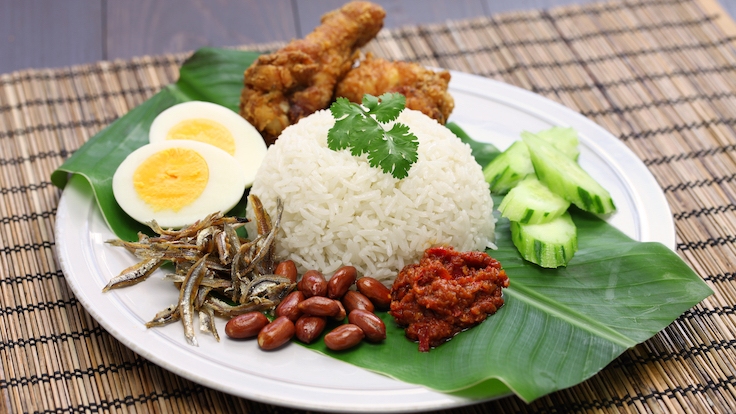
    Traditional local rice dishes hold deep cultural value in many communities around the world. They are often prepared during festivals, family gatherings, and special occasions, symbolizing togetherness and heritage. Each recipe reflects generations of knowledge passed down through storytelling and cooking.

    Regional Flavors and Cooking Techniques

    Different regions prepare rice using unique ingredients, spices, and methods. Some dishes are slow-cooked to enhance flavor, while others are steamed or stir-fried for simplicity and texture. Local herbs, vegetables, and proteins give each rice dish a distinct taste that represents its place of origin.

    Preserving Tradition Through Food

    As modern diets evolve, traditional rice dishes help preserve local identity and culinary history. Many families continue to teach these recipes to younger generations to keep traditions alive. By enjoying and sharing these dishes, communities celebrate their roots and maintain a strong connection to the past

  • Untitled post 57

    How Weather Patterns Shape Crop Growth This Month

    This month’s weather has played a major role in how crops are growing across many regions. Changes in temperature, rainfall, and sunlight directly influence plant development, from seed germination to maturity. Farmers are closely watching these patterns to make timely decisions that protect yield and quality.

    The Impact of Rainfall and Soil Moisture

    Rainfall levels this month have been uneven, affecting soil moisture in both positive and negative ways. Adequate rain supports healthy root systems and nutrient uptake, while excessive rain can lead to waterlogging and disease. On the other hand, low rainfall increases the need for irrigation and careful water management.

    Temperature Shifts and Crop Stress

    Fluctuating temperatures have caused stress for some crops, especially those sensitive to heat or cold. Warmer days can accelerate growth, but sudden cold spells may slow development or damage young plants. Monitoring temperature trends helps farmers adjust planting schedules and crop care practices.